Quality Photos = Perceived Quality in Product
Online shoppers will depend on the information you provide – both your words and your images – to help them decide whether or not to place the order.
The way you present your products online can have a significant impact on sales, and the quality of your photo is as necessary as the quality of your product. We want your photos to give trust to the customers. Poor quality photos could actually do the opposite, and deter them from buying it even if they were interested.
- Poor photo: dark, blurry, doesn’t show well or hard to tell what’s being sold.
- Good photo: Shows the whole product, neutral background, good lighting, staged when necessary to show the product in use.
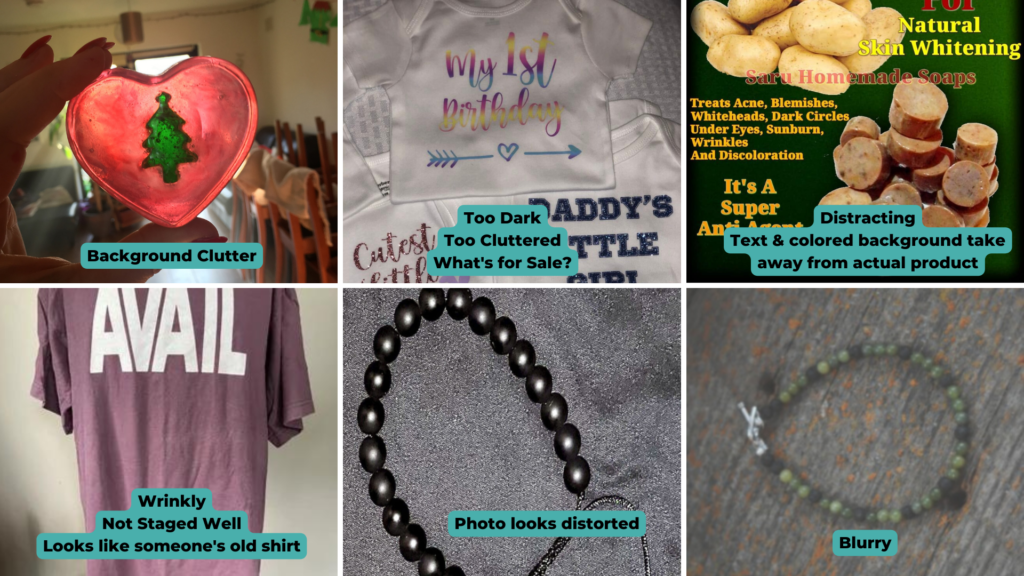
Give trust:
A marketplace is built on trust and transparency. In general, listing images should be of the item itself, not a rendering or stock photo, unless you are offering a service or a non-tangible product. At times like these, a stock photo is ok possibly if listing an intangible service like “consulting” or other.
Use photos for a purpose:
- Featured Image- This is the photo that best highlights the product and will show with it in searches.
- Gallery Images- These are supplemental images that show it from other angles, show the product in use, etc. Don’t add unnecessary photos that aren’t needed.
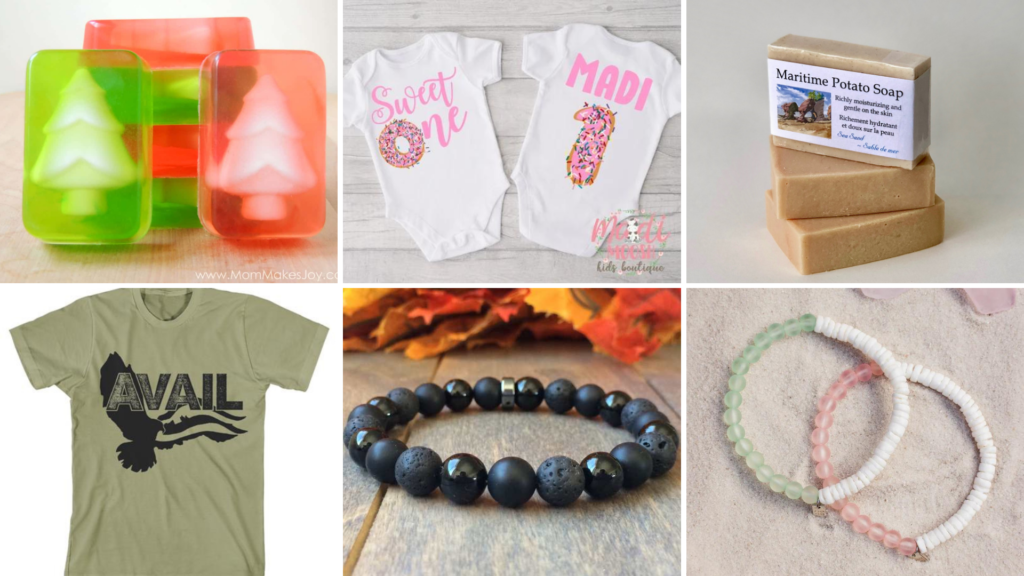
Staging photos:
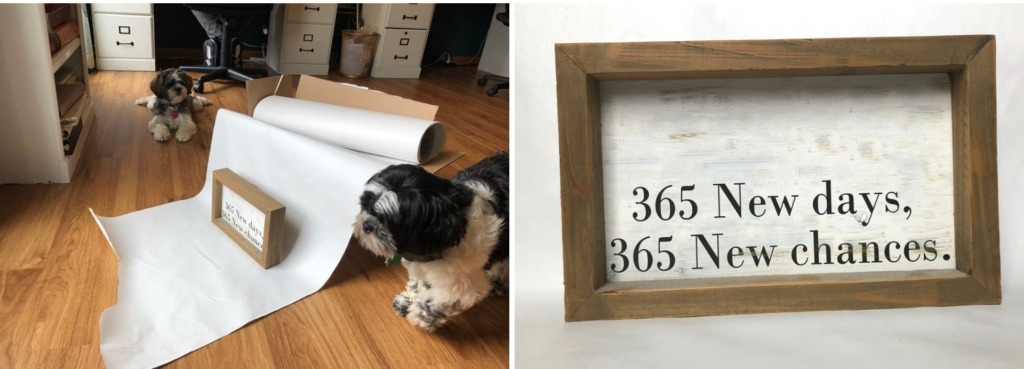
This can very helpful to sell a product, to see it being used or in its ideal environment. However, these should be supplemental (gallery) photos to make sure that it is clear what the actual product is vs everything else that may be in the photo.
Provide at least one close-up image:
Make your product appear as close to life-size as you can. Make it so clear the viewer can almost touch it. Online shoppers trade the certitude of physically inspecting your product for a virtual inspection. Even if they’ve already seen the item at a local store, they want to make sure you’re selling the exact same thing. Show them what it fully looks like.
You don’t need to have a light box, you can set your product in natural lighting with a white background, even if there’s clutter and chaos around, customers won’t know.
Handmade items:
Listing photos should be of the finished product made by you. Different handmade techniques produce different results, and it’s important that the images used for listings accurately reflect the product that a buyer will receive.
Custom items:
If it is not possible to list a photograph of the actual custom item, we ask that you use examples of your similar previous work. This is to give your buyers the most accurate idea of what their custom-made items will look like when they’re completed.
Services:
When selling your services online, it’s not always easy to have a photo of what the service itself looks like. Can you use or find a stock photo of what the end outcome will be, or use a past example from one of your clients.
- Example: Carpet Cleaning Service- showcase a dirty/vs clean carpet side by side
- Example: Deck Work- show photos of past decks completed
- Example: Website Design- show past websites you’ve completed
- Example: Print Services- show past samples of your work for other clients

Observe the basics of branding and consistency:
Every product photo on your shop will be different, but they also should be similar. Use the same background, modeling, lighting, and image placement strategy (for instance) throughout your shop. Consistency provides a comfortable, safe, professional feeling. Inconsistency can be distracting and unsettling. Unless distracting and unsettling are the qualities you want to brand, stay consistent.